Selecting the Best Dumpster Size for Your Project
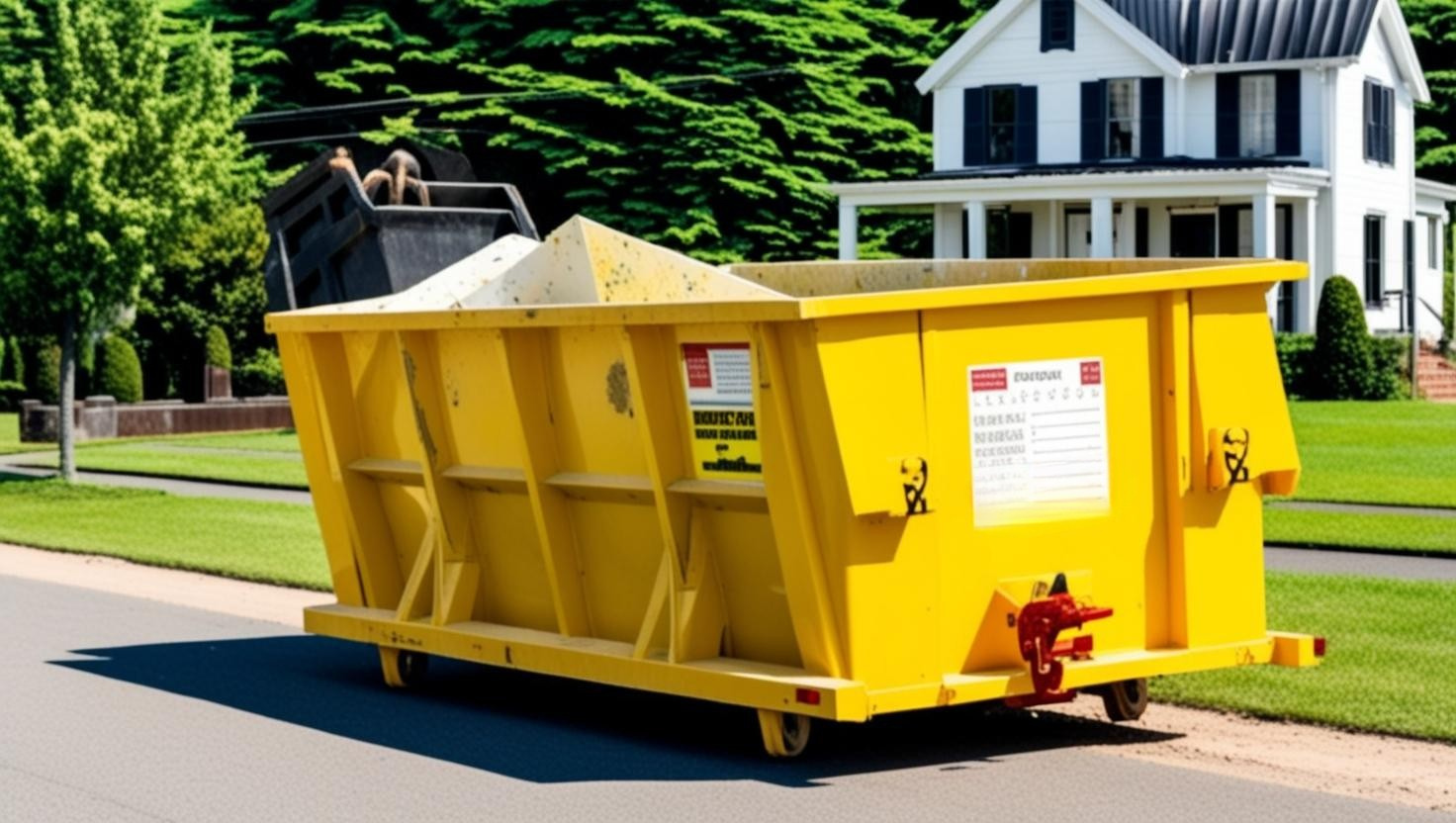
As you organize a cleanup, upgrade, or site project, it is easy to overlook the importance of selecting the right dumpster size. Many people focus on the work itself but fail to consider how waste will be managed, which can affect both efficiency and safety. Choosing a dumpster that is too small may cause overflow and multiple hauls, while one that is too large may take up unnecessary space. Proper waste management starts with the right container choice, ensuring that debris is handled in a smooth and organized way.
At Junk Bee Gone, we know how essential this choice is to the outcome of your work. The dumpster is not only a container but also a key tool in maintaining cleanliness, order, and safety on the site. Assessing your disposal needs ensures that progress continues without unnecessary interruptions. Choosing correctly minimizes clutter and enhances safety for all participants. With the right approach, selecting a dumpster becomes a strategic choice rather than a guess.
Assessing the Scale of Your Job
A critical first step in dumpster selection is assessing the extent of the project. Jobs may range from minor cleanouts to major construction work. Debris levels depend on the task and the materials it generates. Items such as furniture, roofing, yard trimmings, or household junk all generate varying debris levels. Looking at the complete range of waste makes it easier to choose a container that fits properly.
The length of your project also matters, because extended work produces additional debris. When a job includes phases like demolition then building, waste amounts shift as time goes on. By accounting for these details, the selected container can manage debris continuously without problems. This approach prevents costly delays and reduces the need for additional pickups, keeping your project on track. Careful attention to scope and time ensures you choose a container that truly fits the work.
The Role of Debris Type in Dumpster Decisions
Not all waste is created equal, and understanding the type of materials you will dispose of plays a large role in choosing the right dumpster. Heavier materials such as concrete, bricks, or soil may require different handling than lighter items like cardboard, wood, or furniture. The volume of bulky debris differs even when the weight appears manageable. Incorrect assumptions cause strain on the container and poor space usage. Accurately assessing materials prevents misuse of container space.
Listing out debris categories ahead of time ensures a more precise dumpster match. Consider whether your cleanup will involve mainly household clutter, yard debris, or construction rubble. Every material type comes with distinct factors that affect the best container. Knowledge of material types promotes smarter planning and efficient use of dumpster space. Accurate planning aligns container choice with the waste it will carry.
Factoring Location and Position
Where the dumpster will be placed is another important factor in making the right choice. The container’s location must allow easy service access and convenience for workers. Oversized containers on smaller sites often create practical problems. Too small of a container may result in extra handling and delay. Efficiency relies on balancing location with the container dimensions.
Think about the physical layout of your worksite, including driveways, alleys, and open areas. Taking accurate measurements avoids unexpected problems during drop-off. Accessibility plays a big role, and dumpsters should never obstruct paths or create dangers. Smart placement means the container remains practical and efficient to use from start to finish. Careful planning of space supports productivity and prevents avoidable complications.
Determining Disposal Volume Effectively
Accurately estimating the amount of waste your project will generate is one of the most important steps in selecting a dumpster. It is common for people to misjudge debris buildup, often leading to overflow and added hassle. The most effective method is to create a structured plan starting with a list of all items and materials for disposal. Breaking the project into stages and calculating waste from each step can provide a more realistic picture. Such preparation reduces unexpected problems and ensures the chosen dumpster is suitable.
Thinking of the waste as truckloads can simplify your estimate of dumpster needs. Big items such as furniture or large boxes often take up space faster than people assume. Leaning toward a larger estimate is usually better because it covers unexpected waste. By thoroughly reviewing your needs, you will choose a dumpster that works smoothly without setbacks. This preparation keeps the process manageable and more info avoids the stress of running out of capacity midway through.
Why the Proper Dumpster Size Matters
Choosing the right container size offers many benefits beyond just holding trash. When a dumpster fits correctly, clutter is reduced, supporting both safety and productivity. Crew members can dedicate more time to their actual work instead of relocating debris. Such order fosters a more professional environment by keeping spaces clear and ready. Ultimately, efficiency improves and hazards decrease when the right container is selected.
A further advantage is avoiding repeated trips or additional pickups. With a container that accommodates everything, progress flows steadily from beginning to end. It also supports better cost-effectiveness, since multiple hauls can be avoided. Most critically, the proper size container ensures progress without setbacks from debris overload. The right choice creates steady momentum and efficiency.
Partnering With Professionals for Container Choice
If you are unsure about the correct size, consulting experts is the smartest option. They can assess your project needs and provide recommendations based on years of handling different types of waste. A trusted provider knows how to match container capacity with project demands, saving you from costly mistakes. This guidance is especially important for people renting a dumpster for the first time or managing uncommon waste. Guidance from specialists makes selection easier and more accurate.
Junk Bee Gone has helped numerous customers pick the ideal dumpster size for their projects. Our team listens carefully to your project details, taking into account both volume and material type. From there, we recommend a dumpster that combines practicality and ease of use, letting you stay focused. This partnership provides peace of mind, knowing that your dumpster choice is backed by professional knowledge and experience. When you work with experts, managing debris becomes much easier and dependable.
Making an Informed Dumpster Choice
Selecting the correct container size is critical for efficient debris management in all projects. Factoring in scope, debris, space, and estimates gives you clarity when choosing. Such measures support safety, organization, and productivity throughout the project. Thoughtful selection prevents avoidable obstacles and keeps the job running smoothly. Smart sizing decisions promote dependable and confident work flow.
At Junk Bee Gone, we focus on supporting customers in making well-informed waste handling decisions. Our professional experience directs you to the dumpster size that best fits your needs. Whether handling home cleanouts, construction debris, or large-scale renovations, our service ensures that waste is managed with ease and reliability. The correct dumpster lets you dedicate full attention to achieving project completion. Our goal is to provide dependable solutions that simplify the process and enhance results.